What to know Haringey council rubbish rules Finsbury Park
Posted on 06/08/2026
What to know Haringey council rubbish rules Finsbury Park: a practical local guide
If you live, rent, buy, or manage a property in Finsbury Park, understanding What to know Haringey council rubbish rules Finsbury Park can save you a lot of hassle. Missed collections, stray black bags, bulky items left in the wrong place, and the wrong recycling mix all create avoidable problems. And let's be honest, nobody wants to drag a fridge down two flights of stairs only to discover it cannot be left out the way they thought.
This guide breaks the topic down in plain English. You will learn how council rubbish rules usually work in this part of north London, what residents should check before putting waste out, where the common mistakes happen, and when a professional clearance service can make life easier. If you are in a flat near the station, in a terraced house off a side road, or managing a rental with constant changeovers, this is the kind of practical detail that really matters.
Quick takeaway: the safest approach is simple - separate your waste properly, present it at the right time and in the right way, and never assume bulky or hazardous items can be left with ordinary household rubbish.
Contents
- Why Haringey council rubbish rules matter in Finsbury Park
- How the rubbish rules usually work
- Key benefits and practical advantages
- Who this is for and when it makes sense
- Step-by-step guidance
- Expert tips for better results
- Common mistakes to avoid
- Tools, resources and recommendations
- Law, compliance, standards and best practice
- Options and comparison table
- Case study or real-world example
- Practical checklist
- Conclusion
- Frequently asked questions
Why Haringey council rubbish rules matter in Finsbury Park
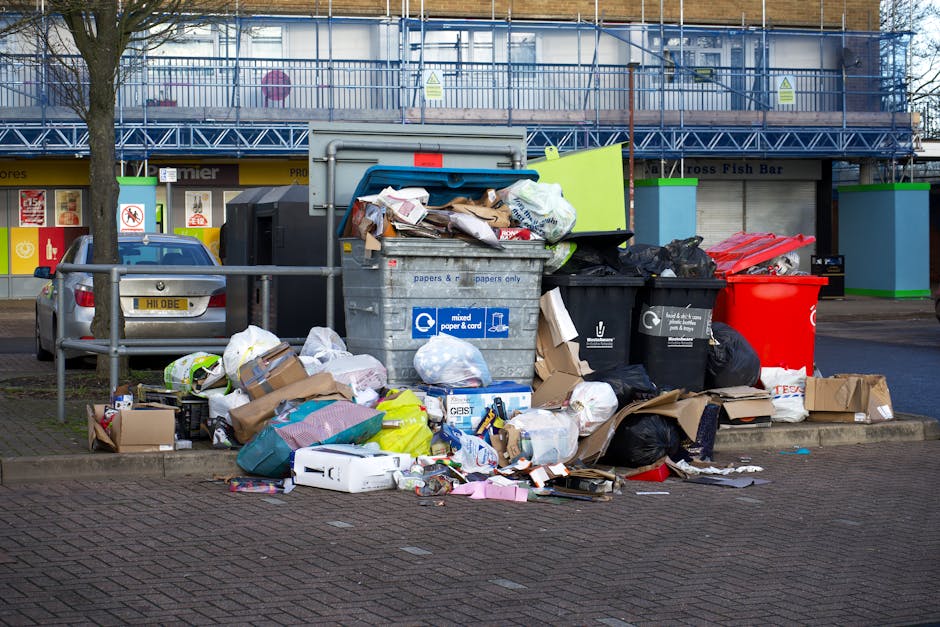
Finsbury Park sits right on a busy urban edge, with a mix of flats, converted houses, shops, shared buildings, and narrow residential streets. That mix makes rubbish rules more than a background detail. It affects how tidy the area feels, how smoothly collections run, and how quickly waste can become a nuisance if it is left out badly. You notice it most on a Monday morning after a busy weekend: one missed bin lid, one wrong bag, and suddenly a whole pavement looks untidy.
For residents, the main reason these rules matter is straightforward. They help you avoid rejected collections, unpleasant smells, fly-tipping risk, and frustration with neighbours or landlords. For landlords and property managers, good waste handling keeps turnover smoother and helps protect the condition of shared entrances, bin stores, and frontages. It is one of those small things that quietly shapes daily life.
There is also a bigger local benefit. In compact neighbourhoods like this, waste that is set out correctly is easier to collect, easier to recycle, and less likely to cause pest issues. That is why it is worth understanding the basics, even if you only have a couple of bins and a bag or two each week.
Residents who are also thinking about property buying or moving into the area often find it useful to read broader local guidance too, such as the Finsbury Park property purchase guide and practical resident advice for living in Finsbury Park, because rubbish storage and collection access can be a bigger issue than people expect when they first move in.
How Haringey council rubbish rules usually work
Most household waste systems in London follow a fairly similar pattern, even though the detail can vary by street, building type, and collection arrangement. The council expects residents to sort rubbish into the right streams, present it on the right day, and use the right containers where provided. In a shared building, the rules can be a bit stricter, because bin stores, access routes, and collection points all have to work for everyone.
In practical terms, you are usually dealing with a few broad categories:
- General household rubbish - items that cannot be recycled through the normal mixed recycling system.
- Mixed recycling - clean, dry recyclable materials such as paper, cardboard, cans, and certain plastic packaging, depending on the local system.
- Food waste - if your property has a separate food waste container or collection process.
- Garden waste - usually handled separately where collection arrangements exist.
- Bulky waste and special items - furniture, appliances, mattresses, and anything too large for standard bins.
One thing that catches people out is the difference between what is allowed in a household bin and what is practical for the collection team to take. A bag can be technically filled with "rubbish" and still be rejected if it is too heavy, contaminated, split open, or full of the wrong materials. To be fair, that can feel fussy until you see how quickly one badly packed bag can create a mess in a communal bin area.
Collection timing matters too. In many streets, waste should only be put out close to the scheduled collection time, not days in advance. That helps keep footways clear and reduces the chance of bags being torn open. If you live in a flat near Blackstock Road or around busier roads, the difference between "before collection" and "left out overnight" is huge. It can be the difference between a normal day and a litter problem.
Key benefits and practical advantages
Following the rules is not just about avoiding complaints. It also brings a few very practical benefits that people sometimes overlook.
- Cleaner shared spaces: bin stores smell less and stay easier to use.
- Fewer missed collections: correctly presented waste is less likely to be left behind.
- Less stress on moving day: if you know what to do with old furniture or mixed rubbish, everything moves faster.
- Better recycling outcomes: clean separation means more material can be recovered instead of thrown away.
- Lower fly-tipping risk: rubbish left in the wrong place tends to attract more rubbish. Annoying, but true.
For landlords, letting agents, and block managers, there is a quiet financial upside too. Good waste management reduces the odds of emergency clear-ups, pest-control issues, and repair jobs caused by waste building up in awkward corners. A tidy bin area can save a lot of awkward phone calls, which is never a bad thing.
And if you need help shifting a larger amount of waste in one go, services such as waste clearance in Finsbury Park or domestic waste collection can be a sensible backup when the council system is not the right fit.
Who this is for and when it makes sense
This topic matters to more people than you might think. It is not just for householders trying to get bin day right.
- Tenants who need to follow house rules and avoid issues with landlords or neighbours.
- Homeowners managing their own bins, garden waste, or occasional bulky items.
- Flat owners who share bin stores and need to keep communal areas usable.
- Landlords and agents who want turnovers to go smoothly and properties to stay presentable.
- Small businesses that generate commercial waste and need to keep it separate from household rubbish.
- Anyone clearing a property after a move, renovation, or bereavement.
It makes especially good sense if you are dealing with one of these situations: an end-of-tenancy clear-out, a loft full of old boxes, a worn sofa that will not fit through the stairwell, or garden cuttings after a weekend of "I'll do it later" becoming "right, this has to go now." We have all been there.
If you are planning a larger clear-out, related pages like house clearance, loft clearance, and furniture removal can be helpful to compare against the council route. Different jobs suit different solutions, and that matters more than people think.
Step-by-step guidance
Here is the simplest way to stay on top of rubbish rules in Finsbury Park without turning it into a chore.
- Check your bin set-up. Find out what containers your property actually has. Some buildings use shared bins, some have individual wheelie bins, and some have a more limited arrangement.
- Separate waste before collection day. Keep recyclables clean and dry. Put food-soiled packaging in the correct bin only if it is accepted locally; if not, it may need to go in general waste.
- Break down bulky cardboard. Flat-pack boxes and folded packaging take up less space and are less likely to overflow the bin store.
- Do not overfill bags or bins. Lids should close properly where possible. Bags should be tied securely so they do not split in the street.
- Put waste out at the right time. Usually that means shortly before collection, not the evening before unless your local arrangements specifically allow it.
- Keep the pavement clear. Waste should not block entrances, ramps, or shared access routes.
- Handle special items separately. Fridges, mattresses, paint, and electricals often need dedicated disposal arrangements.
A small real-world example: if you are moving from a top-floor flat and discover two broken chairs, a box of kitchen clutter, and a dead toaster, do not assume everything can be dumped with the weekly bin. It is usually quicker to split the items, recycle what you can, and arrange a dedicated collection for the rest. That little bit of sorting saves a surprising amount of time.
For more time-sensitive jobs, the option of same-day rubbish collection near Finsbury Park Station can be a useful fallback when you are up against a deadline or have a property handover looming.
Expert tips for better results
After dealing with enough household and property clearance jobs, a few patterns become obvious. The best results come from keeping waste handling simple and consistent.
- Label a "goes out" corner. Even one small box or bag for items to recycle, donate, or dispose of separately helps stop last-minute confusion.
- Use sturdy sacks. Thin bags split in communal hallways, and then you are the person scraping tea bags off the stairs. Not ideal.
- Keep electrical items apart. Cables, kettles, lamps, and chargers are easy to mix into general rubbish by mistake.
- Plan around moving or cleaning days. Do not leave rubbish decisions until the van is outside and the front door is open.
- Check bin-store access. A locked gate, narrow path, or awkward stairwell can affect when and how items can be collected.
If your waste comes from a renovation or larger clear-out, have a think about whether the council system is really the most efficient route. Builder's waste, plasterboard, broken fixtures, and mixed rubble often need a different disposal approach. In those cases, builders waste disposal is usually a better fit than trying to squeeze everything into ordinary bins.
One more thing. Keep records or photos if you are managing a tenancy or block. A quick picture of how waste was left, or how a clearance was completed, can prevent the classic "that was not my bag" conversation later on.
Common mistakes to avoid
This is where most issues start. The rules are not complicated, but the same mistakes keep happening.
- Leaving waste out too early. It may be moved by animals, weather, or passers-by before collection.
- Mixing recycling with general rubbish. One contaminated load can ruin the effort.
- Putting out loose items. Open rubbish is far more likely to scatter.
- Forgetting bulky item rules. Sofas, mattresses, and appliances usually need separate arrangements.
- Using the wrong container. Shared bins are not a catch-all solution for everything in the flat.
- Assuming commercial waste can go with household waste. It usually should not.
There is also the hidden-cost mistake: people assume the cheapest disposal option is always best, then spend more later fixing the problem. A good overview like how to avoid hidden rubbish removal costs in Finsbury Park is worth reading if you are comparing council handling with private clearance.
Truth be told, most avoidable rubbish problems come down to rushing. A quick pause before bin day usually prevents a headache later. Simple, but that is often how it goes.
Tools, resources and recommendations
You do not need fancy tools to handle waste well, but a few basics make life easier.
- Durable bin liners for general waste.
- Cardboard cutters or scissors for breaking down packaging safely.
- Storage tubs or stackable boxes for sorting items before disposal.
- Gloves for handling sharp or dusty items during a clear-out.
- Tape and labels to mark items that are being kept, donated, or taken away.
From a service perspective, some residents find it easier to use a broader waste management option rather than trying to make a one-off pile fit into regular collection rules. Pages such as rubbish collection in Finsbury Park, waste disposal in Finsbury Park, and garden waste removal can help you judge which route is most suitable for a specific job.
If you are dealing with appliances or old white goods, use a separate line of thinking. A broken washing machine is not just "rubbish"; it is an item that may contain components or materials needing special handling. In those cases, white goods and appliance disposal is usually the cleaner, safer solution.
Law, compliance, standards and best practice
Waste handling in the UK is shaped by a mix of council rules, local collection arrangements, and general legal duties around safe disposal. For everyday residents, the practical version of that is quite simple: only put out what the service accepts, keep waste from becoming a hazard, and make sure anything handed over is going to a legitimate waste handler.
Best practice also means checking that anyone removing your waste is properly registered and insured, especially if you are paying for a private collection. If waste is fly-tipped after you hand it over to the wrong operator, you can end up dealing with a lot more than a messy driveway. That is why compliance is not just paperwork; it is peace of mind.
For that reason, it can be worth reading about waste carrier licence and compliance and the site's insurance and safety information before booking any disposal service. The same goes for understanding the service terms, because the small print often explains what is included, what is excluded, and what happens if access is difficult.
In a busy residential area like Finsbury Park, best practice usually means three things: present waste correctly, separate special items, and use responsible carriers when the council system is not the right fit. Nothing dramatic. Just sensible, careful handling.
Options and comparison table
When you need to get rid of rubbish in Finsbury Park, the best option depends on the type and amount of waste. Here is a straightforward comparison.
| Option | Best for | Typical strengths | Watch out for |
|---|---|---|---|
| Council household collection | Routine household waste and recycling | Simple, familiar, built into normal home life | Limited for bulky, mixed, or special items |
| Bulky item collection | Single large items such as furniture or appliances | Suitable for awkward items that will not fit bins | May need booking and item preparation |
| Private rubbish collection | Time-sensitive clear-outs, mixed loads, or access-challenging properties | Flexible, faster, useful for flats and busy move days | Choose a compliant operator and confirm exactly what is included |
| Specialist disposal | Appliances, builders waste, or specific categories | Better handling for the right waste type | Needs correct segregation and sometimes extra care |
If your job is straightforward household waste, the council route is usually the first place to start. If you are clearing a flat after a tenancy, replacing old furniture, or sorting out a loft full of mixed items, then a dedicated clearance service may be much less stressful.
Case study or real-world example
Imagine a two-bedroom flat in Finsbury Park after a long tenancy. The residents have old chairs, broken shelving, three bags of general rubbish, cardboard from a new sofa, and a fridge that no longer works. On paper, it sounds manageable. In real life, it can turn into a mess fast if everything is left for ordinary bin day.
The sensible approach would be:
- recycle the clean cardboard separately,
- bag the household waste properly,
- keep the appliance aside for dedicated disposal,
- split the furniture and mixed items into a collected load,
- check access so items can be removed without blocking neighbours.
That kind of plan avoids two common problems at once: rejected rubbish and a jammed entrance hall. It also helps the landlord or agent hand the property over cleaner and faster. A bit of organisation, a bit of common sense, and suddenly the whole thing becomes far more manageable.
For flats with tight stairs or limited storage, local insight matters. That is one reason articles such as rubbish clearance for flats on Blackstock Road N4 can be useful reading if your own building has similar access quirks.
Practical checklist
Use this before bin day or before booking any rubbish removal:
- Have I sorted recycling, general waste, food waste, and bulky items separately?
- Do I know the correct collection day and time window?
- Are all bags tied, secure, and not overfilled?
- Will anything I have set out block a doorway, pavement, or shared access route?
- Do any items need special handling, such as appliances or builders waste?
- Is the waste storage area clean enough to avoid smells or pests?
- Am I using a properly insured and compliant carrier if I am not using council collection?
- Have I taken a quick photo for my own records if this is a rental or managed block?
If you can tick most of those off, you are in good shape. If not, take another five minutes. It is usually worth it.
Conclusion
Knowing What to know Haringey council rubbish rules Finsbury Park is really about keeping daily life smooth. It helps you avoid missed collections, prevent clutter in shared spaces, and deal with bulky or awkward items without guesswork. The rules are not there to make things difficult; they are there to keep one of the busiest parts of north London running tidily and safely.
For most residents, the formula is simple: sort waste properly, present it correctly, and use the right disposal route for the job. That may sound obvious, but in a busy area with flats, shared entrances, and constant movement, the obvious steps are often the ones people skip.
If you are planning a bigger clear-out, moving home, or dealing with furniture, appliances, garden waste, or builders rubbish, take a moment to compare your options before you start dragging bags to the pavement. It is often the difference between a calm morning and a very annoying one.
Get a free quote today and see how much you can save.
And if you are just trying to keep your street a little tidier this week, that matters too. Small good habits add up, especially here.



 Tipper Van - Rubbish Removal and Loft Clearance Prices in Finsbury Park, N4
 Luton Van - Rubbish Removal and Loft Clearance Prices in Finsbury Park, N4