Rubbish clearance for flats on Blackstock Road N4
Posted on 13/07/2026
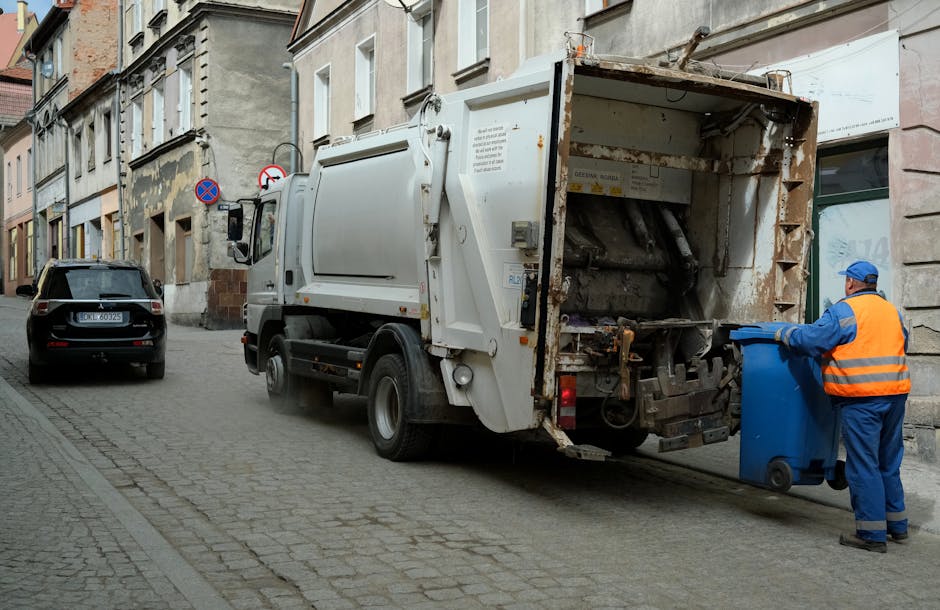
If you live in a flat on Blackstock Road N4, rubbish can build up faster than you expect. A sofa that will not fit down the stairs, a stack of black bags by the front door, an old mattress waiting in the hallway - it only takes one busy week and suddenly the place feels cramped. Rubbish clearance for flats on Blackstock Road N4 is really about getting that mess out safely, quickly, and without making life awkward for you or your neighbours.
That sounds simple enough, but flats bring their own quirks. Narrow stairwells, shared entrances, parking pressure, lift restrictions, and the eternal question of where to put the waste while you wait for collection. In this guide, we will walk through how flat clearance works, what to expect, what to avoid, and how to make the whole process feel much less stressful. If you want a broader view of local services too, the services overview is a helpful place to start.
To be fair, most people do not think about rubbish removal until they really have to. Then it becomes urgent. Let's sort it properly.
Why rubbish clearance for flats on Blackstock Road N4 matters
Flats are different from houses. That is the key point. In a flat, rubbish does not just sit quietly out of the way. It ends up in hallways, shared bins, communal gardens, stairwells, or beside the building where everyone sees it. On a road like Blackstock Road, where many residents are balancing busy schedules, deliveries, parking, and limited storage, even a small pile of waste can become annoying very quickly.
Clearance matters for a few practical reasons:
- Space: Flat living usually means less room for bulky items, old furniture, and renovation waste.
- Access: Internal staircases and shared entrances can make moving heavy items tricky.
- Neighbour relations: Nobody enjoys a blocked hallway or bags left around for days.
- Safety: Loose waste can create trip hazards and block fire routes if left in the wrong place.
- Speed: When you are moving out, refurbishing, or decluttering, delays are a nuisance you do not need.
There is also a local reality to consider. Flats near busy London roads often have less forgiving access than you might hope. Vans need a clear stopping point. Items may need to be carried down several flights of stairs. And if you have ever tried to shift a wardrobe on your own at 7.30 in the morning, you will know why many people decide to bring in help. Honestly, sometimes common sense is the best tool in the box.
For people comparing broader waste options in the area, waste clearance in Finsbury Park and rubbish collection in Finsbury Park are useful related services to understand, especially if your clearance is not just one or two small bags.
How rubbish clearance for flats on Blackstock Road N4 works
The process is usually straightforward, but the details matter. A good clearance service will try to match the job to the building layout, the type of waste, and your access constraints. For flats, that usually means asking a few questions before the team arrives.
In practice, the job often works like this:
- You describe what needs to go. That might be mixed household rubbish, old furniture, appliances, bagged waste, or a post-tenancy clear-out.
- Access is checked. Shared entrance? Narrow stairs? Lift available? Parking restrictions? These things affect planning.
- A quote is prepared. Good pricing should reflect volume, item type, labour, and any special handling required. If you want to avoid surprises, read the advice on avoiding hidden rubbish removal costs.
- The clearance is carried out. Items are removed from the flat, carried safely through the building, and loaded into the vehicle.
- Waste is sorted appropriately. Reusable or recyclable materials are separated where possible, while other waste is handled through proper disposal routes.
That is the simple version. The real world version includes little things like timing around neighbours, protecting communal walls, and keeping the lift clear if the building has one. It is not glamorous, but it matters.
Some jobs can be handled as part of a broader waste disposal service in Finsbury Park, while others are better suited to a more specific approach such as furniture removal or white goods and appliance disposal. Choosing the right type of help saves time and usually keeps the job cleaner from the start.
Key benefits and practical advantages
There are obvious benefits, and then there are the benefits people only appreciate afterwards.
- Less physical strain: You avoid carrying awkward items down stairs, which is no small thing in a flat.
- Faster turnaround: A trained team can clear items in a fraction of the time it would take to do it yourself.
- Better organisation: Mixed waste, furniture, and appliances can be dealt with in one visit rather than several trips.
- Reduced stress: You do not need to juggle van hire, lifting equipment, and disposal logistics.
- Cleaner shared spaces: Quick removal helps avoid complaints and keeps communal areas tidy.
- More predictable outcome: You know what is going, when it is going, and who is doing the lifting.
One of the quieter advantages is emotional. A flat can feel cluttered in a way a house does not, simply because every corner is visible. Once bulky waste is gone, the whole place breathes a bit easier. Light gets in. You move around better. The kettle suddenly feels miles away less of a nuisance. It is a small change, but a real one.
If your flat clearance is part of a larger life change - a move, a breakup, a refurb, a bereavement, or a fresh start after a long period of storing things - that sense of relief can be genuinely important. People underestimate that.
Who this is for and when it makes sense
Rubbish clearance for flats on Blackstock Road N4 is useful for a wide range of people, and not just when things have reached chaos level. Sometimes the sensible time to call for help is before it becomes a big weekend project with six trips to the bin room and a sore back.
This service makes sense if you are:
- moving into a flat and need packaging, broken bits, or leftover items removed
- moving out and want the place left clean and presentable
- dealing with furniture that no longer fits your space
- replacing appliances and need the old ones taken away
- clearing out a storage-heavy spare room or box room
- handling post-tenant rubbish or end-of-tenancy clearance
- managing a light renovation or DIY project
- sorting a loft, landing, or communal store cupboard overflow
It is also useful for landlords and letting agents who need a flat reset quickly between occupancies. And if you live in a building with strict shared access rules, it can be far easier to have the clearance done properly than to hope friends, favours, and a borrowed car will somehow solve everything.
For local readers trying to understand the area better while sorting life admin, the posts on living in Finsbury Park and buying property in Finsbury Park offer useful context, especially if your flat move is tied to a longer housing decision.
Step-by-step guidance
If you are planning flat clearance on Blackstock Road N4, a simple process usually works best. The goal is not to overcomplicate it. It is to avoid the classic "we thought we could do it in one afternoon" mistake. We have all been there, or at least close enough.
- Walk through the flat and identify everything to go. Separate items into furniture, electricals, bagged waste, recyclables, and anything that may need special handling.
- Check access points. Measure awkward furniture if needed. Look at stair turns, lift size, doorway width, and any shared-area restrictions.
- Make a clear list or take photos. Pictures often help more than a long explanation, especially for mixed loads.
- Choose a suitable clearance option. Some jobs are one-off rubbish collection; others are better handled as a larger clearance or even a full house clear-out if the flat is heavily furnished.
- Book a time that suits the building. Mid-morning or early afternoon can be easier if neighbours are out and access is less busy.
- Prepare the space. Move smaller loose items together, keep corridors clear, and make sure pets or children are out of the way.
- Confirm what is included. Ask how the waste is handled, whether labour is part of the price, and whether there are any item restrictions.
- Inspect the area afterwards. A quick check of cupboards, balcony corners, and behind doors can save that annoying "we forgot the lamp" moment.
One practical tip: if your flat is in a building with a narrow front path or shared stairwell, leave a little buffer time. Nothing dramatic. Just enough to avoid rushing. Rushing and furniture do not mix especially well.
Expert tips for better results
Over time, the jobs that run smoothly tend to have the same characteristics. They are planned just enough, not overplanned. Here are the things that make a proper difference.
- Sort before the team arrives. Even rough sorting reduces mistakes and speeds things up.
- Keep pathways open. In flats, one blocked corridor can slow the whole job.
- Be realistic about bulky items. That wardrobe might look manageable until it reaches the landing. Then, well, not so much.
- Ask about recycling first. If you have mixed items, it helps to know what can be separated.
- Plan around neighbours. A little courtesy goes a long way in shared buildings.
- Use photos for quotes. Visuals reduce misunderstandings more effectively than long descriptions.
- Keep fragile or personal items apart. Documents, chargers, and sentimental things have a habit of hiding in the wrong box.
If you are clearing a lot of furniture, it is worth checking whether you need a dedicated furniture disposal service rather than a generic bag collection. Likewise, if the job includes landlord leftovers or a full reset, house clearance in Finsbury Park may be the better fit.
Small detail, big impact: label what stays and what goes. A simple note on a box can prevent a messy mix-up when the team arrives in a hurry.

Common mistakes to avoid
Most clearance headaches come from a handful of avoidable errors. Nothing exotic. Just the usual mix of poor planning, unclear expectations, and assuming the stairs will magically become easier to carry things down. They never do.
- Leaving everything to the last minute: This makes access, sorting, and booking far more stressful.
- Underestimating bulky items: Sofas, wardrobes, beds, and white goods are rarely as simple as they look.
- Ignoring building access rules: Some flats require notice for service lift use or loading access.
- Mixing hazardous or special items with general waste: These may need separate handling.
- Not checking the quote properly: If labour, loading, or disposal are unclear, costs can rise unexpectedly.
- Blocking communal areas: This can annoy neighbours and create safety issues.
- Assuming all rubbish is the same: Mixed loads can contain recyclables, reusable items, and things that need careful disposal.
The best shortcut is not really a shortcut at all. It is a careful, boring little pre-check. That is the secret. A half-hour of prep can save you an afternoon of drama.
Tools, resources and recommendations
You do not need a van full of specialist equipment to prepare for clearance, but a few simple tools help a lot. Think of this as the flat-clearance kit you wish you had the first time round.
- Heavy-duty bin bags: Useful for loose waste and soft household rubbish.
- Labels or marker pens: Handy for separating items to keep, donate, or remove.
- Measuring tape: Useful for checking whether furniture will fit through doorways or down stairs.
- Gloves: A simple way to protect your hands while sorting.
- Phone camera: Perfect for photographing loads before booking.
- Storage boxes: Good for keeping personal items separate during a big clear-out.
For better decision-making, these pages are worth a look if your job touches more than one kind of waste:
- Domestic waste collection for everyday household rubbish
- White goods and appliance disposal for fridges, washers and similar items
- Loft clearance for storage-heavy flats and top-floor spaces
- Builders waste disposal for renovation leftovers
Also, if you care about how waste is handled after it leaves the building - and most people do, once they think about it - the recycling and sustainability page is useful background reading.
Law, compliance, standards, or best practice
For flat clearance, compliance is less about jargon and more about common sense backed by proper process. In the UK, waste should be collected and handled by a legitimate operator, and it should not be dumped, fly-tipped, or treated casually. That sounds obvious, but it is still worth saying plainly.
Good practice usually includes:
- using a licensed waste carrier
- keeping waste transfer details accurate where relevant
- separating recyclable materials where possible
- handling electrical items and heavier goods safely
- avoiding obstruction of fire routes, hallways, and shared entrances
- respecting building rules and neighbour access
If you are choosing a provider, it is sensible to check the company's approach to compliance before booking. The page on waste carrier licence and compliance explains the topic in plain English. That kind of transparency matters, especially in a flat where waste passes through shared spaces and there is no room for sloppy behaviour.
Safety matters too. Carrying items downstairs, loading awkward appliances, and manoeuvring around tight corners all carry risk if done badly. The insurance and safety information is worth a look if you want reassurance about how responsible removal work should be handled.
One more practical note: if your clearance involves personal items, tenancy paperwork, or payment data, it helps to know how the business handles privacy and transactions. The payment and security and privacy policy pages are there for that reason. No drama, just good housekeeping.
Options, methods and comparison table
There is more than one way to clear waste from a flat. The right option depends on how much you have, how fast you need it gone, and whether you are dealing with mixed items or simple bagged rubbish.
| Method | Best for | Strengths | Limitations |
|---|---|---|---|
| Small rubbish collection | Bagged waste, light clear-outs, a few loose items | Quick, simple, usually ideal for lighter jobs | Less suitable for bulky furniture or appliance removal |
| Furniture removal | Sofas, beds, wardrobes, tables | Designed for heavy and awkward items | May not cover general rubbish or mixed waste |
| House or flat clearance | Whole-property clear-outs, end-of-tenancy jobs | Broad coverage, useful for larger volume | Can be more involved to plan |
| Builders waste disposal | DIY or renovation rubble, packaging, offcuts | Good for messy refurb jobs | Not always ideal for domestic mixed furniture loads |
| White goods disposal | Fridges, washing machines, cookers, dishwashers | Handles heavy appliances properly | Some items need special handling |
If you are not sure where your job sits, think in terms of volume and type. A couple of bin bags? Simple. A mattress, a broken desk, and a fridge? That is a different conversation. Mixed loads usually need more planning than people expect, but once the right method is chosen, things move along nicely.
Case study or real-world example
Here is a realistic example. A tenant in a first-floor flat on Blackstock Road needed to clear out leftover items before handing back the keys. There were six bags of mixed rubbish, a small sofa, a dismantled desk, an old microwave, and a few boxes of odd bits from the kitchen. Nothing outrageous. Just the kind of job that looks manageable until you stand in the hallway and look at the stairs.
Instead of trying to do it in several trips with a borrowed car, the tenant grouped the smaller waste into one corner, photographed the bulky items, and checked building access in advance. The clearance was arranged for late morning, after the main rush. The team removed the items in one visit, kept the communal entrance clear, and left the flat ready for a final clean. Simple. Not flashy, but effective.
The point is not that every job looks exactly like this. It is that a little structure makes the whole thing easier. In our experience, the less guesswork involved, the smoother the day feels. And yes, there is always one random item at the back of a cupboard that makes you laugh at the very end. Usually a charger for something long dead.
Practical checklist
Use this checklist before booking rubbish clearance for a flat on Blackstock Road N4:
- List all items that need removing
- Separate furniture, electricals, and general rubbish
- Check whether anything is fragile, heavy, or awkwardly shaped
- Measure items if access may be tight
- Confirm whether there are stairs, lifts, or parking restrictions
- Clear corridors, doorways, and shared access routes
- Keep valuables, paperwork, and personal items away from the clearance pile
- Ask what is included in the quote
- Check whether the provider follows proper waste handling standards
- Choose a time that suits the building and your neighbours
- Do a final sweep of cupboards, balcony spaces, and under furniture
Quick takeaway: the best flat clearance jobs are the ones where access, volume, and waste type are clear before anyone starts lifting. That is what saves time, money, and hassle.
Get a free quote today and see how much you can save.
Conclusion
Rubbish clearance for flats on Blackstock Road N4 is not just about getting rid of unwanted stuff. It is about making flat living easier, safer, and less cramped. When the layout is tight, the stairs are awkward, and the communal spaces matter, a careful clearance plan makes a real difference.
Whether you are clearing after a move, tackling accumulated clutter, or dealing with bulky items that have finally outstayed their welcome, the best approach is usually the simplest one: sort well, plan access properly, and choose a service that understands flat life in London. Nothing fancy. Just solid, practical help.
If it feels like a lot right now, that is normal. Start with one room, one pile, one decision at a time. The rest tends to fall into place.


 Tipper Van - Rubbish Removal and Loft Clearance Prices in Finsbury Park, N4
 Luton Van - Rubbish Removal and Loft Clearance Prices in Finsbury Park, N4