Missed collection delays and common rubbish problems in N4
Posted on 07/10/2026
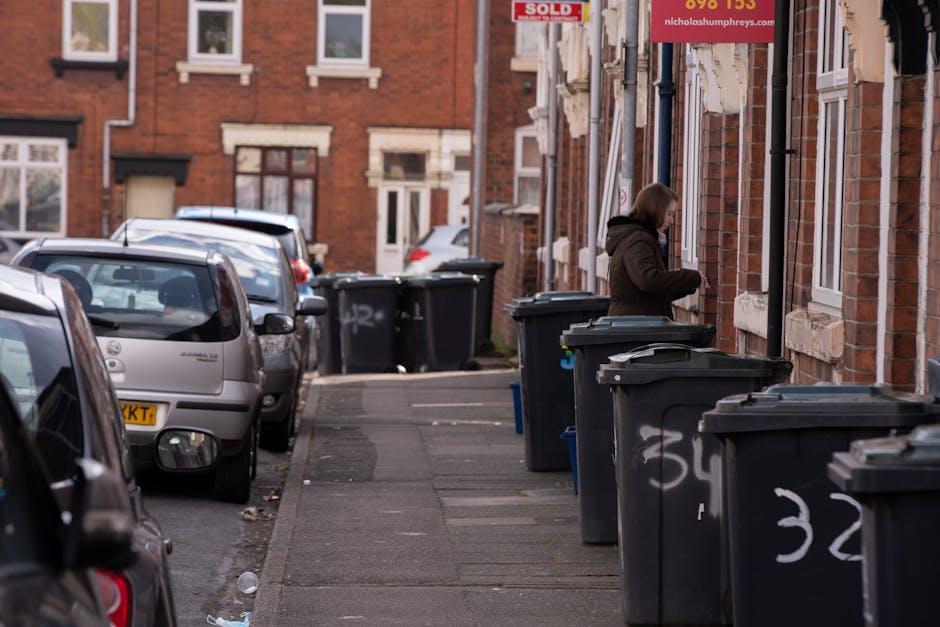
If you live, work, or manage property in N4, rubbish problems have a way of turning up at the worst possible moment. A missed collection, a bag left open in the rain, a bin that seems to attract seagulls, foxes, or both - it can all build up quickly. This guide on missed collection delays and common rubbish problems in N4 is here to help you understand what's going wrong, why it matters, and what you can realistically do about it without losing half your day to phone calls and guesswork.
We'll look at the common causes of delays, how waste services typically work in a busy London postcode, what to check before you report a problem, and when a private rubbish removal service may be the quicker option. If you want practical answers rather than vague advice, you're in the right place.
- Why Missed collection delays and common rubbish problems in N4 Matters
- How Missed collection delays and common rubbish problems in N4 Works
- Key Benefits and Practical Advantages
- Who This Is For and When It Makes Sense
- Step-by-Step Guidance
- Expert Tips for Better Results
- Common Mistakes to Avoid
- Tools, Resources and Recommendations
- Law, Compliance, Standards, or Best Practice
- Options, Methods, or Comparison Table
- Case Study or Real-World Example
- Practical Checklist
- Conclusion
- Frequently Asked Questions
Why Missed collection delays and common rubbish problems in N4 Matters
Missed collection delays and common rubbish problems in N4 matter because rubbish is not just an eyesore. It affects how a street feels, how a home functions, and how a business is perceived. In a busy part of North London, waste builds up fast. One missed pickup can become two overflowing bins. Two overflowing bins can become bags on the pavement. Then the smell starts. Then the flies. Then someone has to deal with it.
Let's face it, nobody wants to open the front door on a warm morning and be greeted by a pile of leaking black bags. But there is more at stake than inconvenience. Poor waste handling can attract pests, create trip hazards, block access for residents or customers, and lead to complaints from neighbours or building managers. For flats, shared houses, shops, restaurants, and offices, the knock-on effect can be surprisingly big.
There's also the time cost. People often underestimate this. A rubbish issue can mean chasing missed collections, separating contaminated recycling, taking photos for evidence, finding storage space for waste that should already be gone, and deciding whether the problem is with the service, the bin set-up, or the way waste is being presented. That's a lot for something that looks simple from the outside.
In N4, where you have a mix of terraced homes, flats above shops, and busy commercial frontages, small waste issues can become street-level problems very quickly. If the bins are awkwardly placed, access is tight, or the crew cannot safely reach the collection point, delays happen. And if the waste itself is mixed incorrectly, collections may be refused or partially missed. Not ideal. Not at all.
A practical response starts with understanding the difference between a true missed collection and a preventable waste presentation problem. That distinction saves time and helps you decide whether to wait, report, rearrange, or remove the waste another way.
Expert summary: In most N4 rubbish situations, speed matters, but clarity matters more. First identify the cause, then choose the fastest safe fix. That usually beats rushing into the wrong next step.
How Missed collection delays and common rubbish problems in N4 Works
At a basic level, waste collection works through a scheduled service: bins or sacks are placed out at the agreed time, crews collect them, and the waste moves into a sorting or disposal stream. The trouble starts when one link in that chain breaks. In real life, that break can be small - a blocked driveway, a badly parked vehicle, a contaminated bin, a late set-out, or an access issue near a narrow street.
In N4, common problems tend to fall into a few familiar groups. Some are operational, some are behavioural, and some are purely practical. For example, a collection may be missed because the bin was not presented in the right place. Or because there was too much loose waste around it. Or because the crew could not safely access the property. Then there are problems like mixed recycling, food waste in the wrong container, overfilled bins, broken lids, damaged wheels, or rubbish left beside the bin rather than inside it.
Here's the thing: crews usually work to a set routine. If a bin is too heavy, unsafe, contaminated, or inaccessible, it may be left behind rather than collected. That's not always obvious to residents. From the outside it can feel like "they just didn't come." In practice, it may be a presentation issue. Annoying? Yes. Avoidable? Often, yes.
Collection delays can also happen after disruption to routes, staffing, road works, weather, or local access changes. You do not always see these causes from your window. One wet, windy evening can make a perfectly normal schedule slide into the next day. Not every delay is someone's fault, even though it often feels that way when the bin stays put on the pavement.
If you manage a larger property or business, waste issues can also sit across different streams: general rubbish, recycling, food waste, bulky items, garden cuttings, or commercial waste. When those streams are mixed or poorly stored, the whole system becomes harder to manage. If that sounds familiar, a structured service like the services overview can help you match the waste type to the right collection method without overcomplicating it.
And yes, sometimes the issue is simply that there is too much waste, too often, for the current setup. That's especially common after a clear-out, a refurb, a move, or a busy weekend in hospitality. The bin looks fine on Monday. By Wednesday, it is groaning.
Key Benefits and Practical Advantages
Handling missed collection delays and common rubbish problems in N4 properly brings a few very real benefits. The obvious one is a cleaner property or street. But the practical upside goes further than that.
First, it reduces repeat problems. If you identify why a collection was missed, you are less likely to have the same issue next week. That matters in shared buildings, where one small failure can turn into a regular headache.
Second, it improves hygiene. Waste left out too long can smell, leak, and attract pests. Once that starts, you are often dealing with more than just rubbish. You are managing a cleanliness problem.
Third, it protects relationships. Residents get frustrated when bins are left full. Customers notice when a shopfront looks untidy. Neighbours notice too. A quick response keeps the atmosphere calmer. To be fair, that social side matters more than people admit.
Fourth, it can save money. A small private collection or targeted clearance is often cheaper than letting a situation escalate into repeated complaints, extra labour, or emergency cleaning. For businesses, the cost is not only financial; it can affect reputation and footfall as well.
Fifth, it gives you better control. Once you know the common causes, you can organise storage, set-out times, bin labels, and collection schedules more effectively. That makes day-to-day waste management much less stressful.
There is also a quieter benefit: peace of mind. When waste is sorted, stored, and removed properly, people stop thinking about it. And honestly, that is what good waste management should do. Fade into the background.
Who This Is For and When It Makes Sense
This topic is relevant to a wider group than people often expect. If you think it is only for households with a missed bin day, think again.
Homeowners and tenants need it when bins are missed, recycling is rejected, or rubbish starts piling up after a household clear-out. A small delay can become a big mess in a flat with limited outdoor space.
Landlords and letting agents need it because waste issues can affect move-ins, inspections, and tenant satisfaction. A poorly managed bin area is one of those things that keeps coming back in complaints. It's never just "one little bag."
Block managers and building caretakers need it when communal bins are overfilled, access is awkward, or residents are unsure what goes where. In shared buildings, one person's mistake becomes everybody's problem.
Local businesses need it when waste builds up behind the premises, customers notice mess, or collections do not keep pace with trading volume. This applies to cafes, shops, offices, and hospitality venues especially.
Builders and trades need it when renovation rubbish, plasterboard, timber, packaging, and rubble create a mix of waste that standard domestic collection cannot handle cleanly.
There are also moments when it makes sense to bring in a private rubbish removal service rather than wait on a delayed route. If waste is blocking access, creating odour, or making the property look neglected, waiting can be the more expensive option. If you are unsure, a targeted service such as rubbish collection in Finsbury Park can be the simpler way to regain control quickly.
That said, not every problem needs a full clearance. Sometimes it is just about the right container, the right timing, and a better habit around set-out day.
Step-by-Step Guidance
If you are facing a rubbish delay or recurring bin issue in N4, the best approach is to work through the problem in order. No drama, no guesswork.
- Check the basics first. Was the bin presented on time? Was it in the right place? Was access clear? Were there parked cars, locked gates, or obstructions that might have prevented collection?
- Look at the contents. Is the waste mixed correctly? Contaminated recycling is a common reason collections go wrong. A few wrong items can cause the whole load to be left behind.
- Inspect the bin condition. Broken lids, damaged wheels, or an overloaded container can create problems that look minor but affect collection safety.
- Separate loose waste. Bags left beside the bin, cardboard not flattened, or bulky items leaning against the container can all make a collection more difficult.
- Document the issue. Take a quick photo if needed. Keep it simple. You do not need a photo essay. Just enough to show the state of the bin area and the time.
- Report the problem promptly. If the collection provider has a reporting route, use it as soon as you can. Delays in reporting often mean delays in resolution.
- Assess whether you need an alternative solution. If the waste is building up or blocking space, look at a one-off removal or clearance rather than waiting for the next cycle.
- Reset the area. Once the waste is removed, tidy the collection point, relabel bins if necessary, and make the setup easier for next time.
A quick example: a flat block in N4 has communal recycling bins. Residents start leaving mixed bags beside the bins because they are full. Collection day comes, the crew sees contamination and overfilled containers, and only part of the waste is taken. The result is a mess that looks like a missed collection, but the real issue is a system that has stopped working. That distinction changes the fix entirely.
If the delay is affecting a business or a multi-occupancy property, it can help to compare services, response times, and waste types before you choose the next step. For commercial sites, a commercial waste removal in Finsbury Park option may be more appropriate than relying on ad hoc bin space that is already stretched.
Expert Tips for Better Results
In our experience, the best results usually come from simple systems done consistently. Fancy is not the point. Reliable is the point.
Keep waste streams separate. Recycling, general waste, food waste, and bulky items should not be allowed to blur into one another. The more mixed the waste, the more likely a problem appears.
Use clear bin labels. This sounds basic, because it is. But clear labels reduce mistakes in blocks of flats, offices, and shared homes. It also helps guests and temporary occupants, who never read signs unless they are obvious.
Set a collection routine. Put bins out at the same time each week and bring them back promptly if they are emptied. That sounds boring. It also works.
Reduce overflow before it starts. If bins are routinely full, the problem is capacity or frequency, not just one bad day. Review the waste pattern rather than treating every overflow as a surprise.
Flatten cardboard and break down bulky packaging. It creates more space than people expect. A stack of boxes can eat up a bin area fast, especially after deliveries.
Check for access problems on collection day. Think about gates, locks, vehicle obstruction, garden furniture, building works, and even where a skip or van is parked. These little barriers are often the culprit.
Keep a spare plan for busy periods. After a clear-out, refurb, or holiday rush, waste volume can jump. Plan for that spike instead of hoping the ordinary setup will somehow cope.
Use a service that matches the job. Garden waste, white goods, furniture, and builders' waste need different handling from mixed household rubbish. A tailored approach is usually cleaner and less stressful. If you have heavy items or appliances, white goods and appliance disposal is often a better fit than trying to force them into general waste routines.
A small time anchor, if you like: by late afternoon on collection day, a missed pick-up is already becoming tomorrow's problem. That is why fast action matters. Not panic. Just fast, calm action.
Common Mistakes to Avoid
A lot of waste issues in N4 are made worse by the same few mistakes. Once you know them, they become easier to spot.
Assuming every delay is the collector's fault. Sometimes it is. Sometimes it is not. If you skip the basic checks, you can spend days complaining about the wrong thing.
Leaving rubbish beside a full bin. It seems harmless in the moment. Then it becomes litter, attracts pests, and makes the collection area look unmanaged.
Mixing the wrong materials. Food waste in recycling, rubble in household bins, and liquids in bags all create avoidable issues. Contamination is a quiet troublemaker.
Ignoring access. A locked gate, a parked car, a narrow alley, or stacked items near the bins can stop a safe collection from happening. It does not take much.
Waiting too long to act. This is a big one. People often wait an extra day or two hoping the problem sorts itself out. Usually it doesn't. By then the smell has got a vote too.
Using the wrong collection method. Trying to solve a bulky or mixed waste issue with ordinary bag collection is a common misstep. Better to match the service to the waste stream from the start.
Forgetting shared responsibility. In blocks and commercial settings, waste problems usually involve more than one person. If everyone assumes someone else will fix it, nobody does.
One small, slightly annoying truth: the rubbish problem you ignore on Tuesday often becomes the expensive problem you cannot ignore by Friday. Waste has a way of being patient until it is not.
Tools, Resources and Recommendations
You do not need a complicated toolkit to handle most rubbish issues in N4, but a few practical tools make life easier.
- Bin labels and signs: helpful for communal properties, HMOs, offices, and mixed-use buildings.
- Phone camera: useful for recording missed collections, contamination, or access issues.
- Simple waste log: note collection days, missed pickups, overflow incidents, and repeated problems.
- Gloves and cleaning supplies: sensible for light tidying around bin areas, especially after wet weather.
- Extra containers or sacks: handy for temporary spikes in volume, provided they are stored and used safely.
For disposal planning, it helps to think in categories. General waste needs one approach. Bulky furniture needs another. Garden cuttings, white goods, and construction debris each have their own handling needs. If you are clearing out a property or preparing for works, a broader service like waste clearance in Finsbury Park can be more efficient than trying to piece together several small fixes.
There is also value in learning how rubbish rules and collection expectations work locally. For example, if you are trying to avoid repeat issues in shared housing or on busy streets, reading up on local guidance for storage, set-out timing, and contamination can save you time later. A useful starting point for many residents is practical advice around council rubbish rules and how they affect daily waste habits.
If your problem is mainly cost-related, you may want to compare transparent quotes and avoid add-on charges. That is where a clear pricing page or upfront quote process becomes useful. No one enjoys hidden surprises in waste removal. Nobody.
Law, Compliance, Standards, or Best Practice
When dealing with rubbish in N4, it is wise to keep compliance and best practice in mind, especially for landlords, managing agents, and businesses. While the exact responsibilities depend on the type of property and waste stream, there are some broad principles that are widely accepted in the UK.
Waste should be stored safely and presented properly. That means not blocking access routes, not causing hazards, and not allowing waste to spill into shared areas or pavements. Safe storage is more than tidiness; it is part of everyday duty of care.
Waste must be handled by appropriately authorised carriers. If you use a private removal service, it is sensible to check that they operate in line with waste carrier compliance expectations. For peace of mind, some providers explain their carrier licence and compliance position clearly, which is exactly what you want to see before booking.
Recycling should not be contaminated unnecessarily. Mixed or contaminated recycling can lead to missed or partial collections. The practical takeaway is simple: only place suitable materials in the correct bin.
Hazardous or specialist items need special care. Paints, chemicals, batteries, and certain electrical items should not be treated like ordinary black-bag waste. If you are unsure, pause and check the handling route first.
Shared properties need clear responsibility. In blocks of flats or HMOs, it helps when residents, caretakers, and managers know who is responsible for putting bins out, bringing them back, and reporting missed collections. Ambiguity is the enemy of clean bin areas.
Insurance and site safety matter too. If waste is being removed from a commercial property, building site, or access-restricted location, safe handling procedures matter. You want a team that understands the physical realities as well as the paperwork. It is not glamorous work, let's be honest, but the standards still matter.
If you are choosing a provider, look for plain-language explanations of safety, compliance, and payment security. That usually tells you more than a shiny sales pitch does.
Options, Methods, or Comparison Table
There is rarely just one way to deal with missed collection delays and rubbish problems in N4. The right method depends on volume, urgency, waste type, and who is responsible for the space.
| Method | Best for | Pros | Limitations |
|---|---|---|---|
| Wait for the next scheduled collection | Small delays with no overflow | No extra cost, simple if the issue resolves itself | Can be risky if waste is already piling up or causing odour |
| Report and request a re-collection | Likely missed pickup with clear evidence | May solve the issue without extra expense | Can take time, and not every issue qualifies |
| Improve bin presentation and storage | Repeated access or contamination issues | Prevents future problems, low-cost fix | Does not remove waste already on site |
| One-off rubbish collection | Overflow, clear-outs, urgent needs | Fast, targeted, reduces stress | Usually involves a fee |
| Full waste clearance | Large volumes, mixed items, property reset | Best for larger messes and time-saving | May be more than you need for small problems |
For many people in N4, the decision comes down to this: can the problem wait without getting worse? If yes, a re-collection or better bin setup may be enough. If no, a direct removal option is often the smarter choice. There is no prize for suffering through a bin crisis just to save a day.
Case Study or Real-World Example
Here's a realistic example from the sort of situation that happens all the time in London neighbourhoods. A small office near a busy N4 high street had recurring rubbish problems after busy weeks. Cardboard boxes from deliveries were being flattened badly, recycling bags were mixed with general waste, and the bin store was cramped because someone had started using part of it for old office furniture.
At first, it looked like the collections were unreliable. Staff kept saying the bins were "missed." But once the waste area was checked properly, the issue was clearer: the bins were overfilled, access was awkward, and mixed waste was creating refusals. So the team did three things. They cleared the old furniture, set a clearer sorting routine, and booked a one-off collection for the build-up that was already there.
The result was boring in the best possible way. The area became usable again. Collections started going more smoothly. The office stopped wasting time arguing over whose fault it was. And the bin store no longer looked like a last-minute storage cupboard with a grudge.
That example matters because most rubbish problems are not dramatic. They are cumulative. One bad week, then another, then suddenly everyone is fed up. A practical reset can fix more than people expect.
Practical Checklist
Use this checklist when you are dealing with missed collection delays and common rubbish problems in N4. Keep it simple and act early.
- Check whether the bin was out on time and in the correct place.
- Make sure access to the bin area was clear.
- Look for contamination in recycling or mixed waste streams.
- Confirm that bags were tied, bins were not overflowing, and lids could close properly.
- Remove loose waste from around the bin area.
- Take photos if you need evidence of the issue.
- Report a genuine missed collection promptly.
- Review whether the problem is recurring rather than one-off.
- Match the waste type to the right disposal method.
- Book a private collection or clearance if the waste is building up faster than the schedule can handle.
- Reset labels, storage, and set-out routines after the problem is solved.
If you want a quick shortcut, ask yourself two questions: Is this a delay, or is this a system issue? And then: What is the fastest safe way to stop it getting worse? That usually gets you to the right answer quicker than a long back-and-forth.
Get a free quote today and see how much you can save.
Conclusion
Missed collection delays and common rubbish problems in N4 are rarely solved by luck. They are solved by checking the basics, understanding the cause, and choosing the right response early. Sometimes that means improving how waste is presented. Sometimes it means reporting a genuine missed collection. And sometimes it means bringing in a more direct removal service so the problem does not keep spreading.
The good news is that most waste issues are manageable once you stop treating them as one-off annoyances and start seeing the pattern. A bit of structure goes a long way. So does acting before the smell, the clutter, and the complaints build up. Small fix, big relief. That's usually how it goes.
If you are dealing with a stubborn rubbish problem in N4, take it step by step, keep the solution practical, and give yourself a clean reset. It's one less thing hanging over your day, and honestly, that matters more than it sounds.



 Tipper Van - Rubbish Removal and Loft Clearance Prices in Finsbury Park, N4
 Luton Van - Rubbish Removal and Loft Clearance Prices in Finsbury Park, N4